

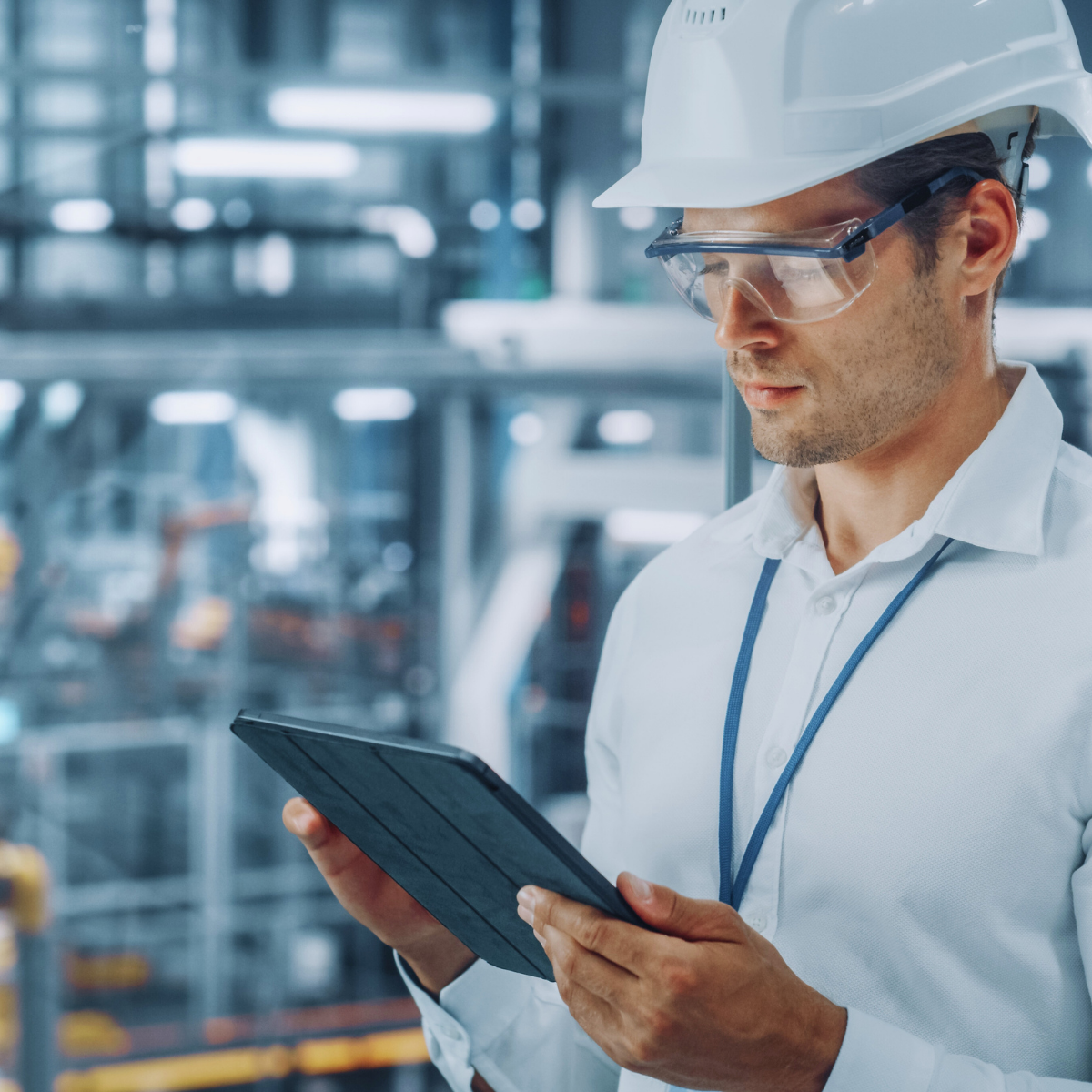
Why AI is delivering real value in foundries – right now
Since the arrival of the first generative AI products in 2022, AI has moved rapidly from hype to mainstream use at home and at work. While many industries are still struggling to see a return on their AI investments,foundries are already achieving tangible results.
Across the globe, AI is helping foundries become more profitable, more competitive and more sustainable – by turning production data into better decisions and measurable outcomes.
Here Nina Rasmussen, SVP, Head of Monitizer , explains how AI is transforming real foundry processes today– and why the timing matters.
What makes AI such a powerful tool for foundries?
The complex, interconnected processes within a foundry generate vast amounts of production data - data that AI is particularly well suited to analyze. When applied correctly, AI can unlock value from that data at speed and scale.
Many foundries have already invested in digital or IIoT systems to get a better visibility of their production and start optimizing processes. AI takes that foundation further. It allows data to be analyzed holistically –- across sand preparation, moulding, pouring, metal analysis and quality control – revealing patterns and root causes that are impossible to identify manually.
One powerful example is defect reduction. By an analyzing data across the entire process, AI can identify complex interactions that lead to casting defects. When AI-driven recommendations are followed, scrap rate reductions of 40% are not unusual.
What are the specific foundry challenges AI can help address?
Foundries today operate in a super-competitive, volatile landscape. Margins are tight, customer demands are high, and production needs to run continuously.
AI is highly effective at unlocking extra production capacity and margin by:
- Detecting problems early
- Preventing unplanned downtime
- Supporting faster, more consistent decision-making
In foundries with limited maintenance windows, the ability to detect deviations early and intervene quickly can make the difference between profitability and failure.
For some foundries the biggest challenge is access to skilled labor. The right kind of AI embeds foundry expertise directly into IIoT systems – allowing foundries to operate smarter without adding headcount, while capturing and digitalizing valuable process knowledge that already exists within the organization.
What’s preventing foundries from leveraging AI today?
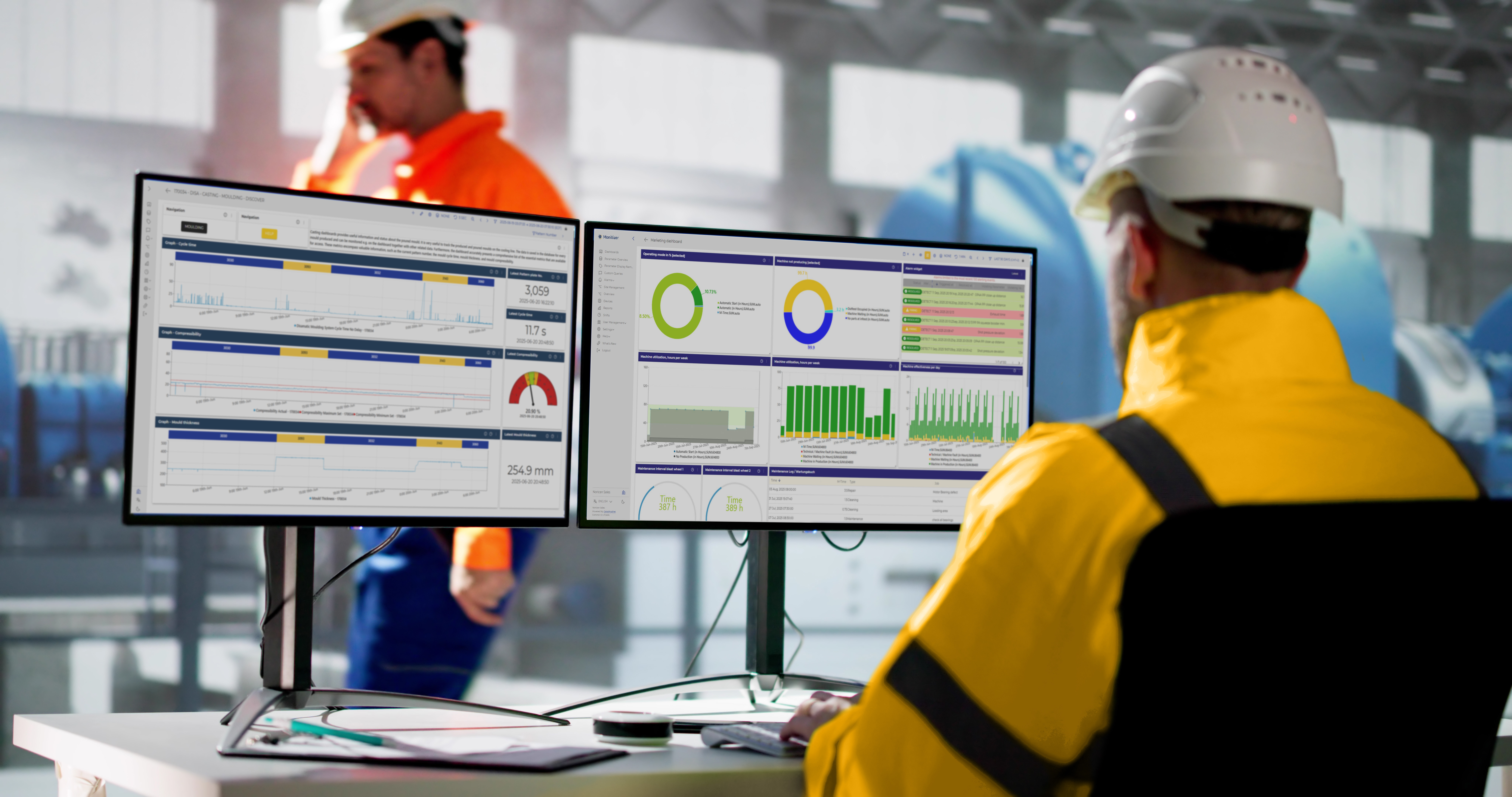
AI becomes a natural next step once the right data is available. Foundries that have established cross-process data collection – for example with Monitizer | DISCOVER – typically move quickly towards AI-based tools.
If that data foundation isn’t in place yet, the foundry simply isn’t ready for AI.
Equally important is choosing the right type of AI. General-purpose AI tools are too far removed from day-to-day foundry realities to deliver reliable results. At Monitizer, IIoT and AI are developed from a foundry perspective. Our solutions are built by hybrid teams of foundry specialists and digital experts, ensuring data quality, reliability, and relevance from the start.
Foundries need tools that directly address their challenges, handle industrial data effectively, and deliver results quickly. When those tools are available, adoption tends to follow naturally.
What do most successful AI-driven foundries have in common?
Successful foundries digitalize at the speed that makes sense to them. They focus on early wins, build confidence across the organization, and scale from there.
That’s why Monitizer is designed as a modular suite – allowing foundries to start where the impact is greatest and expand over time. C-suite buy-in is critical, and it’s earned by results: digitalize one machine, solve a real problem, demonstrate value, then move to the next step.
Because Monitizer’s hardware and software work across a wide range of machines makes and types, it’s easy to start a digital journey, scale it pragmatically, and see real results – quickly.