Georg Röth strengthens quality and traceability with real-time foundry data
Digitalization wasn’t about technology for Georg Röth. It was about strengthening control, consistency, and customer confidence.
Like many established foundries, Georg Röth generated huge amounts of production data across sand preparation, molding, melting, pouring, and quality. But the information was spread across systems and formats, so compiling a complete picture for daily decisions took time and manual effort.
By creating a single, real‑time view of production data across the entire foundry, Georg Röth strengthened proactive process-control and faster, fact‑based decision‑making.
- The impact was immediate and practical:
- Faster, more consistent daily decisions
- Earlier intervention on quality deviations
- Less reliance on a few individual experts
- A shared understanding of what is happening on the shop floor
Most importantly, teams gained confidence. Decisions are now based on facts, not assumptions – strengthening an already strong quality culture today and laying the foundation for future AI-driven optimization.
About Georg Röth
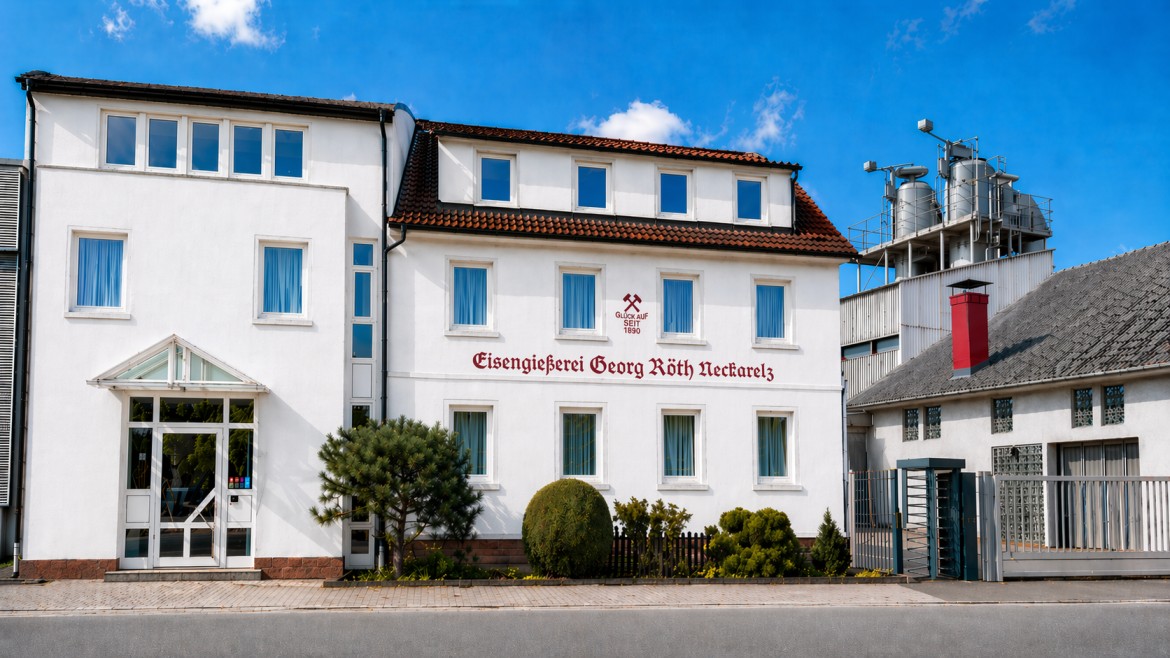
Serving leading OEM customers in mechanical engineering, Georg Röth – a fifth-generation, family-owned iron foundry in Mosbach, Germany, founded in 1890 – has always focused on repeatable quality, documented traceability, and dependable delivery for complex, core-intensive gray and ductile iron castings, producing about 14,000 tons annually with around 100 employees. As part of its Industry 4.0 program, it partnered with the foundry IIoT experts at Monitizer to reinforce these core strengths by connecting data across sand preparation, molding (DISAMATIC and HWS), melting, pouring, and inspection – making quality- and traceability-critical parameters visible in one place, in real-time – so teams can act quickly and consistently. This builds on robust quality management and disciplined process-control developed over generations of iron casting expertise, particularly in small- and medium-batch production of core-intensive components. For customers, it translates into stable serial production and fast, data-backed answers – from routine traceability requests to targeted investigations and corrective actions.
The foundry runs both vertical and horizontal moulding lines and integrates equipment from multiple suppliers – making a unified data layer especially valuable in day-to-day operations.
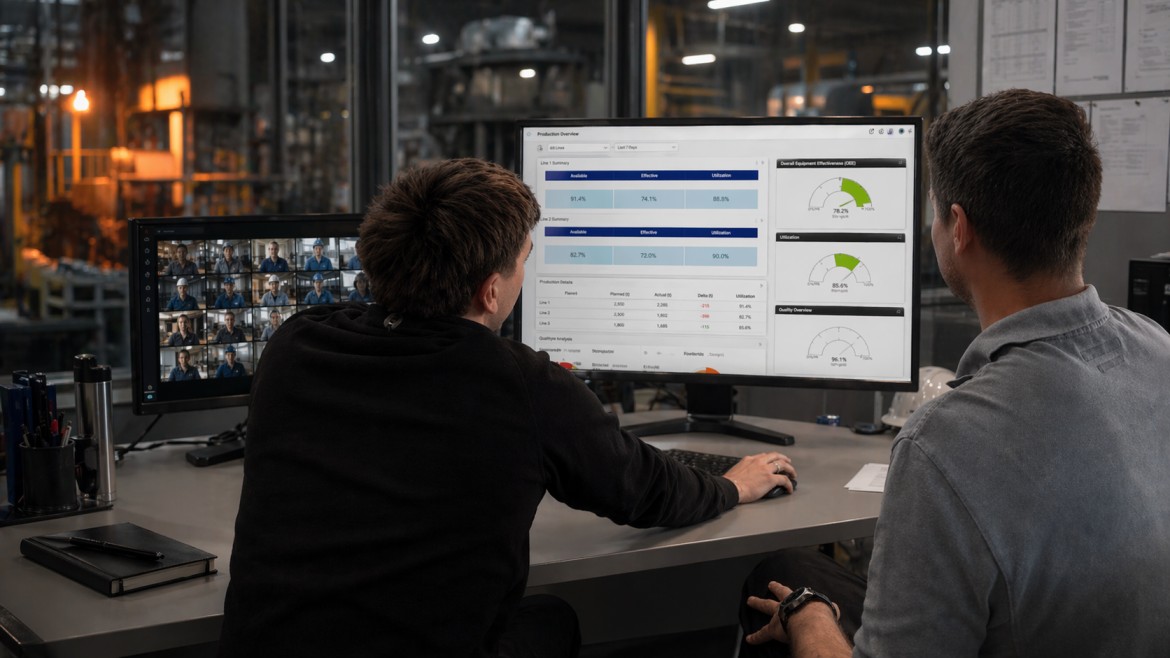
From data overload to real insight
“We were data‑rich but context was hard to access quickly.”
ERP systems, Excel files, machine controllers, sensor data, and manual logs all captured pieces of the process. But there was no easy way to connect them - or to see the bigger picture during daily operations.
Root‑cause analysis was thorough, but time‑consuming and depended on a few experienced individuals to connect the dots. Some issues were only fully understood after the fact, and daily meetings lacked the complete process context needed to decide with confidence in the moment.
“By the time information was compiled, it was often historical,” explains CEO Dr Markus Ehrmann. “Our goal was to make that context available while production was still running.”
What Georg Röth needed was simple: a clear, shared view of the entire process – so teams could act while production was still running.
How Georg Röth achieved real-time foundry clarity
As a mid‑sized foundry with a lean internal IT team, Georg Röth needed a solution that fit its operational reality - without heavy custom development or rigid structures.
Monitizer was chosen because it met that requirement in three practical ways:
1. Built for foundries
Monitizer isn’t a generic IoT platform. It comes with pre‑built foundry data models, variables, dashboards, and best‑practice logic - making it intuitive for operators, engineers, and managers from day one.
2. Low integration effort
“Ease of integration was a key factor,” explains Ehrmann. “We’re a mid-sized company without a huge IT department, so we wanted an approach that connects quickly and stays manageable over time.”
3. A trusted foundry partner
Monitizer’s ability to integrate both Norican and non‑Norican equipment - together with Georg Röth’s long‑standing experience with other Norican brands such as DISA, Simpson, and Wheelabrator - reinforced confidence that the solution was built with real foundry understanding.
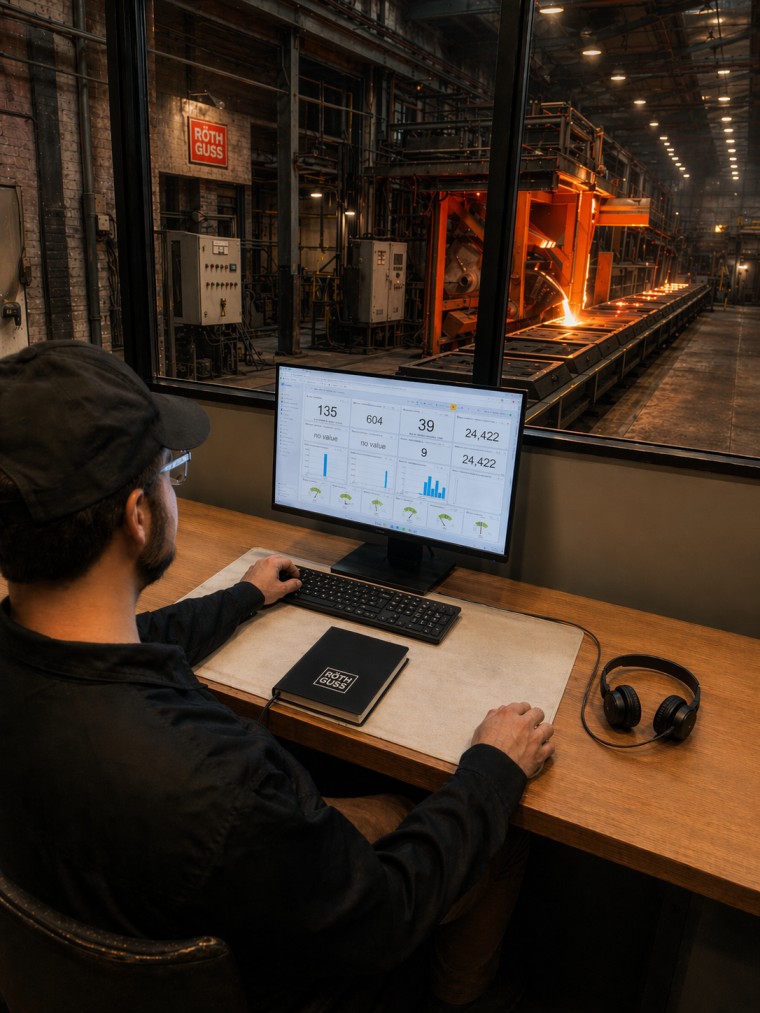
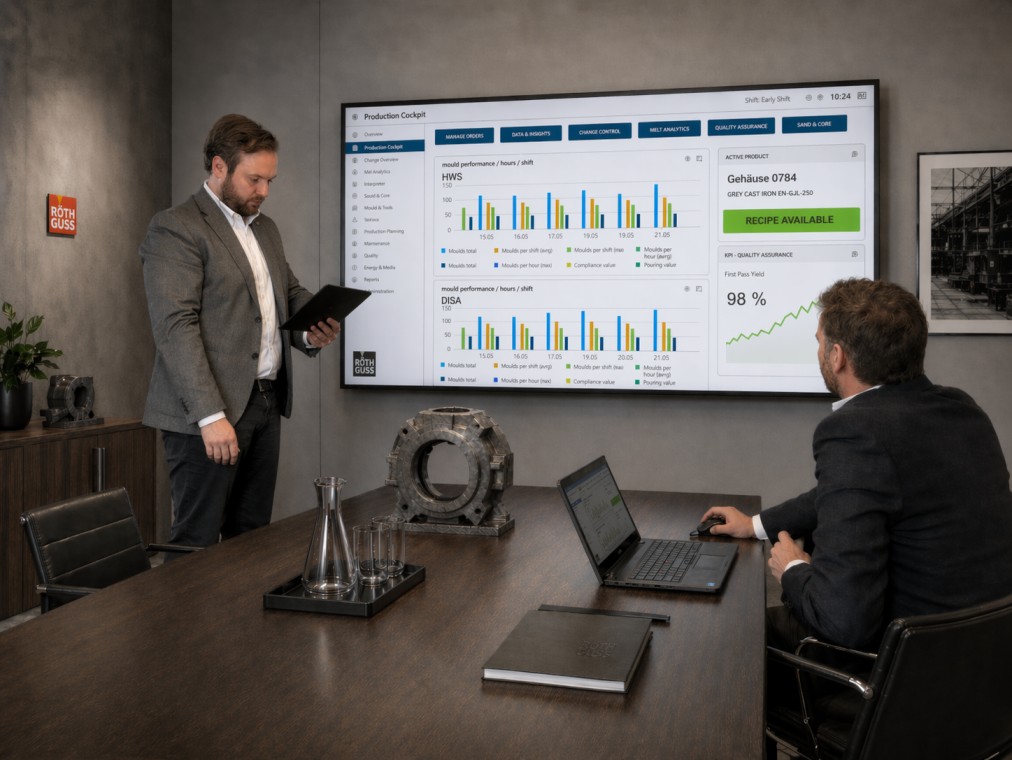
Implementing Monitizer | DISCOVER
Implementation quickly reinforced that decision. Rather than simply deploying software, the Monitizer team worked closely with Georg Röth to map processes, workflows, and data sources across the foundry.
Training requirements were minimal, and Monitizer became embedded in daily routines faster than expected.
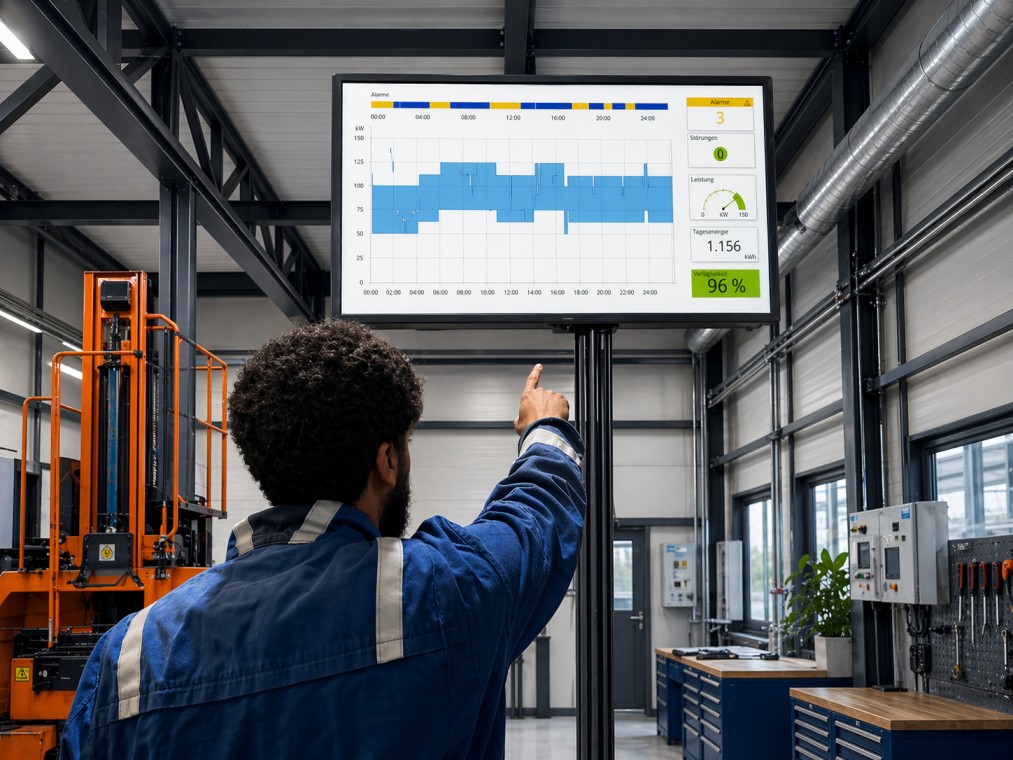
Fast value from a single source of truth
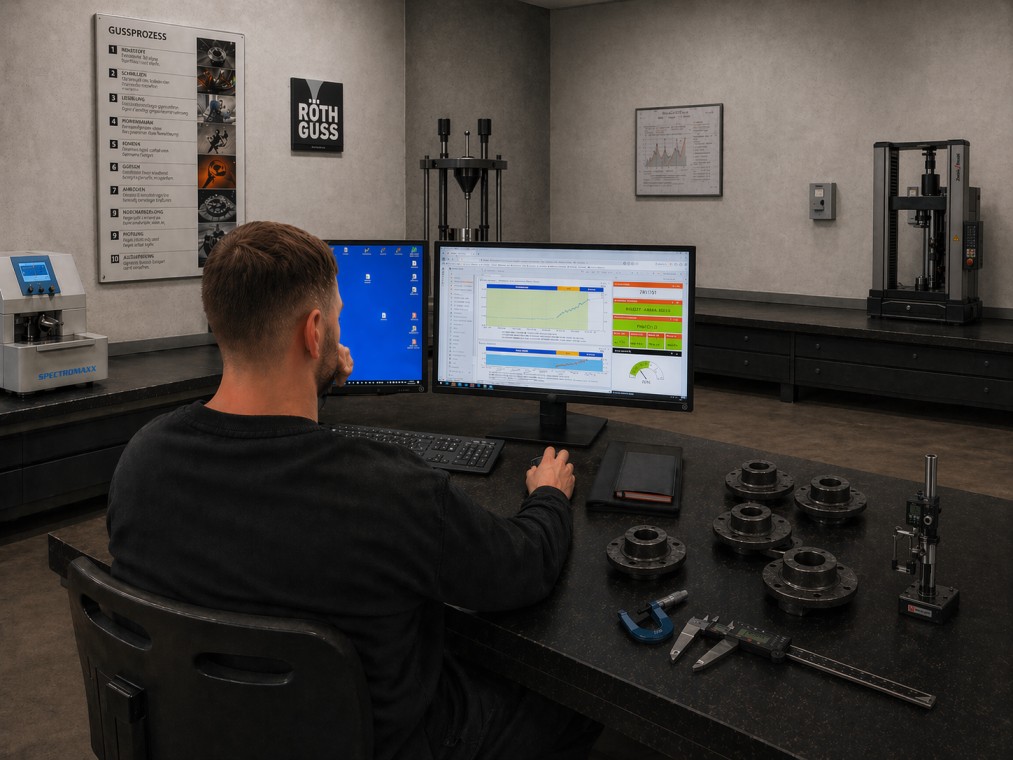
One of the earliest and most visible outcomes was the creation of a single, shared view of real-time and historical production data.
“A single view of real‑time and historical data is a game‑changer,” says Ehrmann. “We moved from dozens of spreadsheets to a single source of truth.”
This unified view gave teams immediate confidence in the data – and a common basis for discussion and decision-making.
From transparency to optimization
Georg Röth’s digital journey has been deliberately step-by-step. Monitizer | DISCOVER created transparency, consistency, and trust in the data - delivering value today and enabling advanced analytics and AI with confidence.
“Even if you did nothing else with it,” Ehrmann concludes, “just having that unified, real‑time window into your entire production is worth it on its own. It pays off through improved uptime, stable quality, and peace of mind.”
Georg Röth proves that digital transformation isn’t about size - it’s about clarity. By choosing Monitizer, the foundry built on strong process discipline with a shared, real-time view that support faster, more consistent decisions.
Changing daily behavior on the shop floor
With DISCOVER in place, day-to-day behavior on the shop floor changed quickly.
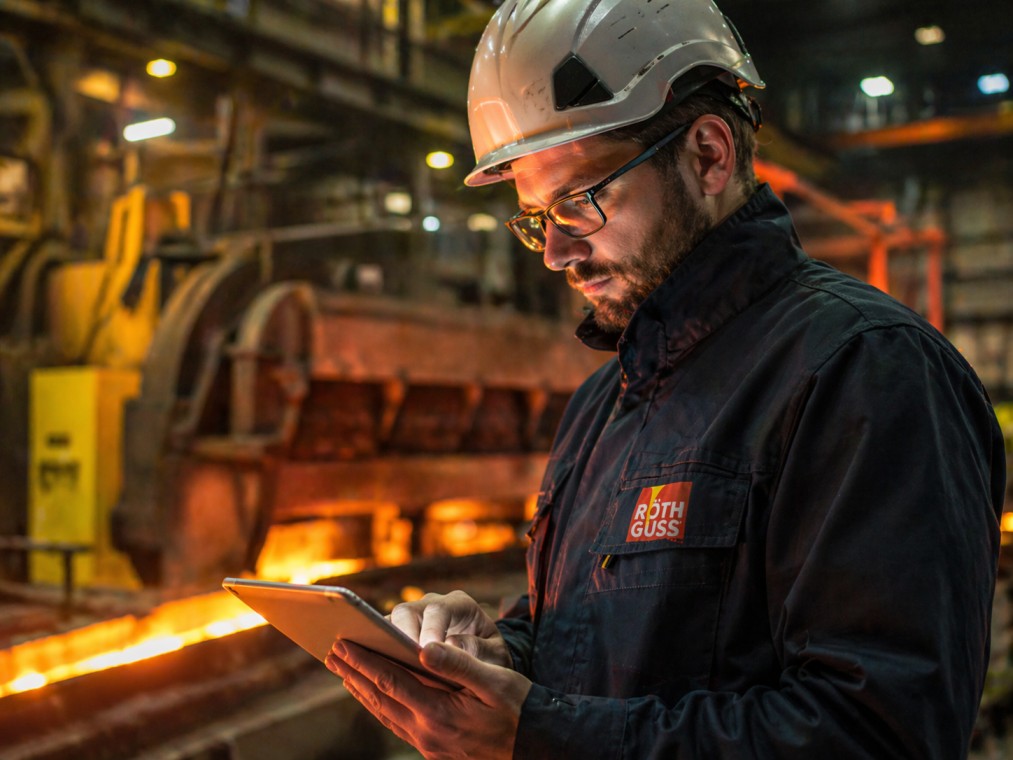
Teams now work from one unified view of real‑time and historical data - the same data for operators, engineers, and managers alike. Morning meetings are driven by facts, not assumptions. Quality deviations and process issues are discussed with all relevant process parameters visible instantly.
Operators receive live feedback through dashboards that show how close processes are to their target ranges. Automatic alerts flag deviations early, enabling teams to intervene before problems escalate. Potentially affected batches can be identified early and managed proactively - saving time and cost.
“We discuss quality deviations in the morning meeting and act immediately. Facts drive discussions, not hunches.”
Transparency has also changed how people feel about their work. As Ehrmann explains: “One operator told me he now feels much more ‘in control’ because he can actually see the key parameters that matter in real-time.” By embedding process knowledge directly into the system, Monitizer has reduced reliance on individual experts. Less-experienced employees could make confident decisions using the same data and context as senior engineers – strengthening the entire organization.
Why Monitizer | PRESCRIBE is the next step
With a trusted data foundation in place, Georg Röth is now progressing toward Monitizer | PRESCRIBE and AI‑driven optimization.
The challenge is complexity. Hundreds of interacting variables influence casting quality, and understanding their combined impact is beyond manual analysis alone. While DISCOVER shows what happened and why, PRESCRIBE is designed to identify the small number of parameters that truly drive defects and scrap.
Using real production history, PRESCRIBE defines optimal control ranges and generates adaptive process “recipes” - providing real‑time decision support that guides operators and engineers like an expert process engineer on duty 24/7.
Rather than replacing people, PRESCRIBE amplifies human expertise with evidence‑based recommendations, helping teams focus on the parameters that matter most.