

Trace every casting. Optimize every process.
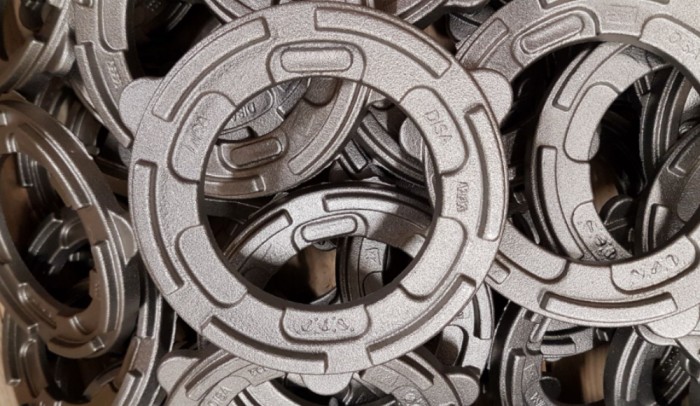
Drive smarter decisions with casting-level data
Improving scrap rates requires more than experience - it demands precise data and clear visibility into production. While many foundries already use IIoT tools to monitor operations, traditional batch-level analysis can make it difficult to pinpoint the true causes of quality issues.
A casting-level approach provides the clarity needed to make faster, smarter decisions - and deliver measurable results.
The Challenge: Limited visibility at batch level
Even when critical parameters such as pouring temperature are monitored, linking them directly to defective castings is difficult.
This often leads to:
- Time-consuming root cause investigations
- Repeated defects despite process adjustments
- Over correction of parameters that don’t impact quality
- Unnecessary scrap when issues cannot be isolated
With batch-level data, engineers are often working with estimates rather than certainty.
The Solution: Full traceability at casting level
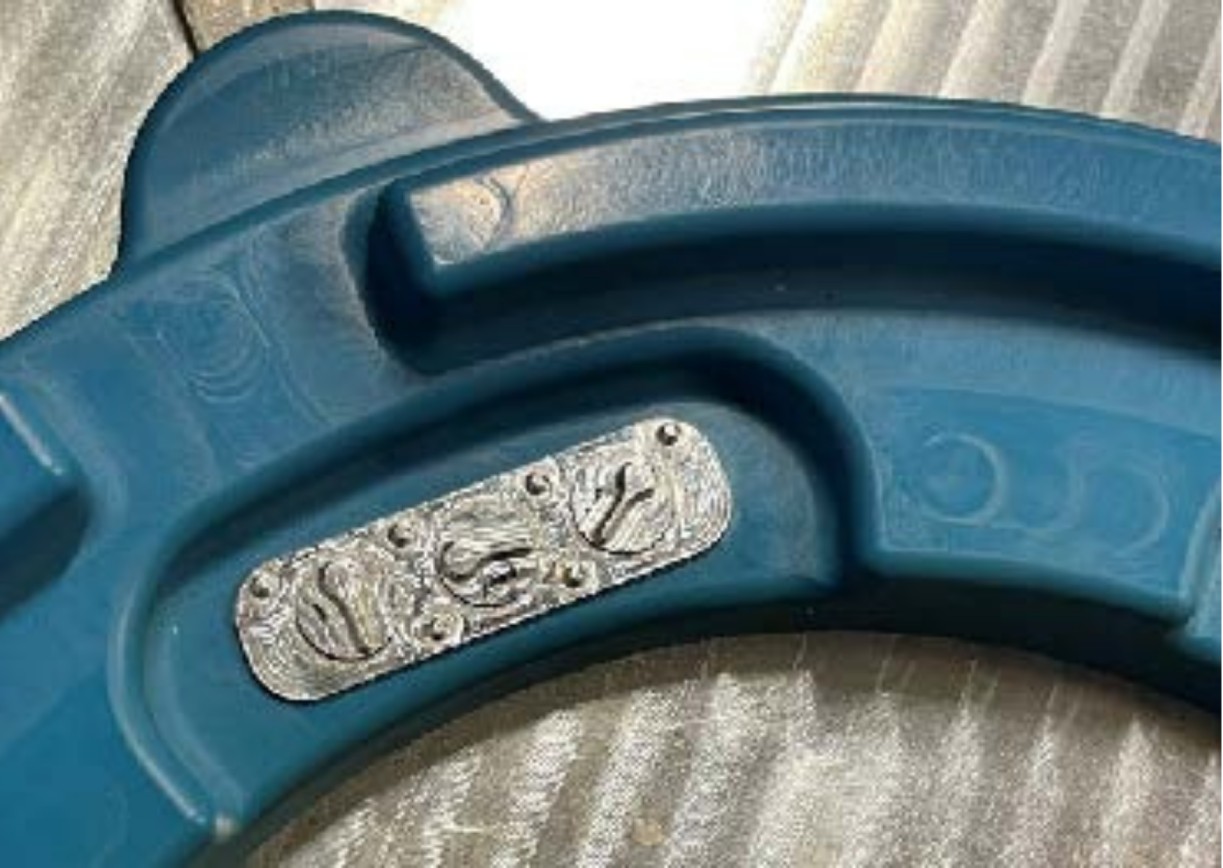
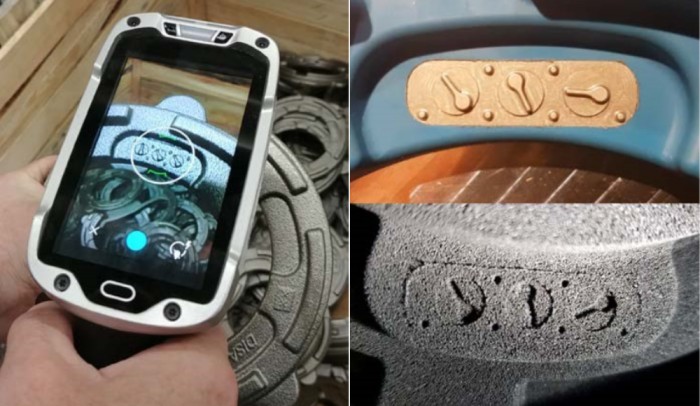
By assigning a unique ID to each mold during production, every casting becomes individually traceable.
With the TAG (Trace And Guidance) system:
- Each casting carries its own production identity
- Process parameters are linked directly to individual parts
- Pattern changes are detected automatically
- Scrap can be tracked, scanned and analyzed in detail
This creates a complete, casting-level record—providing a true “forensic view” of production.
Key benefits at a glance
Full traceability for every casting
Faster, more accurate root cause analysis
Improved AI optimization performance
Reduced scrap and operational waste
Greater transparency and customer confidence
Casting-level data allows foundries to move beyond assumptions and focus on facts.
Key advantages include:
- Pinpoint the exact process conditions behind each defect
- Identify interactions between multiple parameters
- Reduce trial-and-error adjustments
- Optimize process settings for each pattern
Instead of analyzing broad trends, teams can act on precise, actionable insight.
Real-time traceability that builds confidence
Traceability extends beyond analysis - it transforms day-to-day operations.
Operators and quality teams can instantly classify castings from known issue periods, scan individual castings to view status and process data, link defects directly to production parameters, and reduce unnecessary remelting and waste. This level of transparency supports both operational efficiency and customer trust.
Accelerating Improvement with AI
More granular data doesn’t just improve analysis - it also enhances AI performance. With casting-level data sets AI models can learn faster, correlations between process and quality become more accurate, and recommendations are more precise and reliable.This leads to faster optimization cycles, improved efficiency and reduced scrap rates.
Aapico Foundry cuts scrap from 8% to 2%
Real-world results highlight the impact of casting-level traceability.
At Aapico, the transition from batch-level analysis to full casting traceability delivered immediate improvements. By linking each casting’s quality data with corresponding process parameters, the team gained precise visibility into when and why defects were occurring.
"It was very easy to install the marking units in a cavity in each pattern plate...As soon as we collect the quality data for each casting, the system links it to the other process parameters in our database. We can immediately check scrap rates for a run and investigate exactly when defects are produced and the reasons for them." — João Brás - Development Engineer - Aapico
This level of insight enabled faster root cause identification and more targeted process optimization - helping reduce scrap from 8% to 2% during initial trials, while also improving overall production performance.
Turn traceability into competitive advantage
Scrap is more than lost material - it represents wasted time, energy and opportunity across your entire operation. Without precise insight into where and why defects occur, foundries risk spending valuable resources on fixes that don’t address the true root cause.
Casting-level tracking changes this. By connecting each individual casting to its full production history, foundries can identify issues faster, reduce unnecessary rework and stabilize their processes with greater confidence. The result is a more efficient operation, lower scrap rates and stronger overall profitability.
For forward-thinking foundries, data is no longer just a supporting tool - it is a key competitive advantage.